Info Center
Language
Overview of Avocado Drying: Turning Fresh Fruit into Shelf-Stable Value
Avocado drying is a highly effective method for preserving this nutrient-dense fruit while creating versatile new products for the snack, culinary, and health-food markets. Fresh avocados have a notoriously short shelf life, but dehydration removes enough moisture to inhibit microbial growth and enzyme activity, extending usability for months without the need for refrigeration.
The process begins with fully ripened, undamaged avocados. After washing, the fruit is peeled, pitted, and sliced into uniform thickness—typically 5 to 8 mm—to ensure even drying. A critical pre-treatment step is blanching or applying a natural anti-browning agent like lemon juice to preserve the fruit’s appealing green-yellow color. The prepared slices are then arranged in single layers on drying trays, with spacing left for proper air circulation.
Gentle, controlled drying at low to moderate temperatures is essential to protect the avocado’s delicate fats, flavor, and nutritional profile. Modern industrial food dehydrators, such as those using heat pump technology, excel at this task by delivering precise temperature and humidity regulation in a fully enclosed system. A typical staged drying cycle for avocados might start at around 55°C and gradually step down to 45°C, with humidity carefully managed to draw moisture from the inside out without causing case hardening. The end product should be pliable and leathery, reaching a final moisture content of approximately 15–18%.
For commercial-scale production, investing in robust, food-grade equipment is vital. A 100kg-capacity dehydrated fruit machine built with full 304 stainless steel ensures corrosion resistance, easy sanitation, and compliance with strict hygiene standards. Furthermore, ISO and CE certifications provide assurance of consistent manufacturing quality, safety, and conformity with international regulations, which is invaluable for producers aiming for export markets or premium retail.
In summary, avocado drying transforms a perishable raw material into a stable, high-value ingredient or ready-to-eat snack. With proper pre-treatment, a precise drying procedure, and certified industrial drying equipment, businesses can consistently produce superior dried avocado products that capture the fruit’s natural richness and meet global food safety expectations.
🥑 Step 1: Pre-treatment
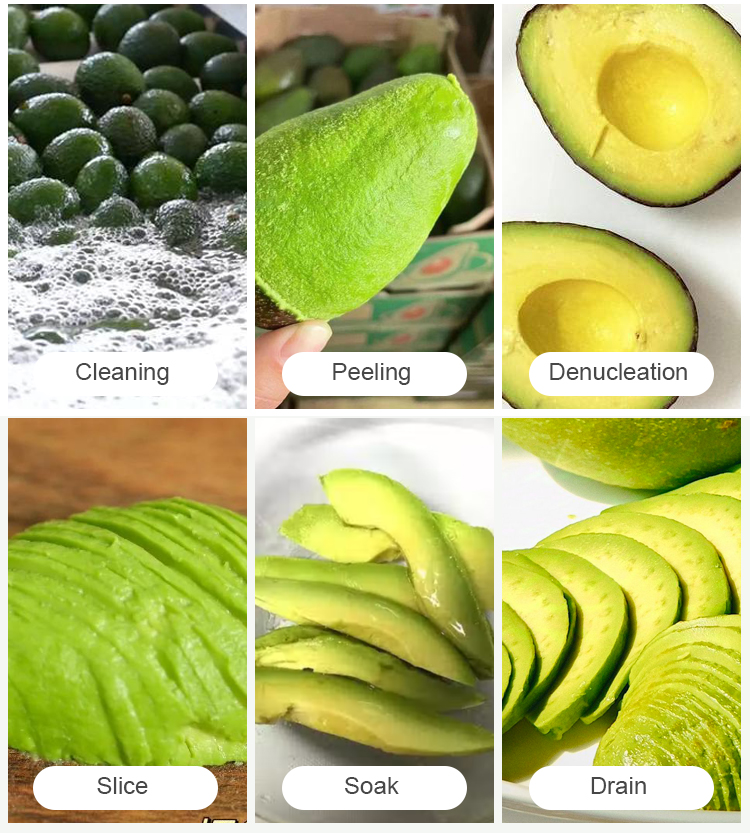
1.Raw material selection and cleaning: select fresh, moderately ripe avocados that are free from damage and pests and diseases.
Thoroughly wash the surface of the fruit with plenty of clean water to remove dust and impurities from the surface.
2.Peel and slice: Remove the peel and pit and cut the pulp into uniform slices about 5-8mm thick along the long axis.
3.Color protection treatment (key): In order to prevent oxidation and discoloration of the pulp, color protection treatment is required,
and it is recommended to blanch the avocado slices in hot water at 70-75°C for about 5 minutes, which is a highly efficient method of
passivating enzyme activity. After blanching, it should be cooled in cold water and drained immediately. You can also soak the slices in
lemon juice or light salt water as a simple alternative.
⚙️ Step 2: Dry
Once the treated avocado slices are ready, it's time to start the AIM dryer. The advantages of AIM heat pump dryers are high energy
efficiency, precise temperature and humidity control, and can gently dry materials in the range of 18-80°C, which is ideal for avocado
drying. Before starting the device, always check the power connection to ensure it is placed in a ventilated and stable place.
Industrial drying usually uses a stepped temperature change procedure, which can dehydrate the avocado evenly from the inside to
avoid scorching inside:
1.Material placement: Spread the pre-treated avocado slices in a single layer and evenly on the drying tray, paying attention to leaving a gap
between the slices to ensure that the hot air can pass smoothly through the material layer.
2.Stage 1: Color setting and drying (about 2-3 hours):
The set temperature is around 55°C and the relative humidity is controlled at 40%-50%.
The purpose of this stage is to quickly remove surface free water at higher temperatures while passivating enzyme activity to fix color.
3.Stage 2: Main drying period (about 6-12 hours):
The set temperature is 50°C and the relative humidity is maintained at 35%-45%.
This is the main stage of dehydration, and the temperature should be milder, giving the internal moisture enough time to migrate outward,
and at the same time increasing the amount of moisture displaced.
4.Stage 3: Maturation and setting period (about 2-4 hours):
The set temperature is 45°C and the relative humidity drops to 20%-30%.
In the later stages of drying, the condition of the material needs to be monitored to prevent over-drying. During this period, you can open the
warehouse door, carefully turn the avocado slices or swap the positions of the upper and lower trays to ensure that all materials are dried evenly.
5.Drying end point judgment:
Qualified dried avocados should have a flexible texture, will not break when bent by hand, and are not sticky or damp. The final moisture content is usually 15%-18%

 sales@aimheatpump.com
 +0086-18022011556