Blog
Language
Premium Strawberry Drying Redefined: The AIM Heat Pump Dryer Advantage
Processing strawberries, with their delicate structure and sensitive nutrients, demands precision technology. The AIM
Heat Pump Dryer delivers exceptional results, transforming fresh berries into a superior, shelf-stable product that
stands out in quality, flavor, and value.
The Importance of Heat Pump Food Dryers in Modern Food Processing
In the quest for efficient, high-quality, and sustainable food preservation, heat pump food dryers
have emerged as a critically important technology. Their significance extends far beyond simple
dehydration, offering transformative benefits for producers, consumers, and the environment.
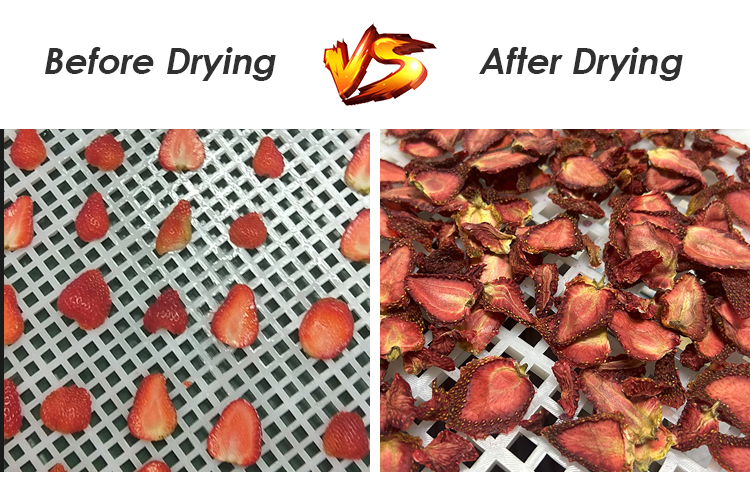
Fresh Strawberry (Before Drying)
1.Appearance: Plump, vibrant, glossy, with a bright red color and a fresh green calyx. The surface is smooth and wet.
2.Texture & Feel: Juicy, tender, and soft. High moisture content gives it a firm yet easily crushable texture. It is heavy for its size.
3.Flavor Profile: A dominant burst of sweet, tangy, and refreshing juice with a distinct fresh berry aroma. The flavor is bright but fleeting.
4.State: Highly perishable. Requires refrigeration and has a shelf life of only a few days to a week. Vulnerable to mold and bruising.
5.Use: Primarily consumed fresh, used in desserts, or as a garnish. Its high water content makes it unsuitable for storage or mixing in dry products.
Dried Strawberry (After Drying)
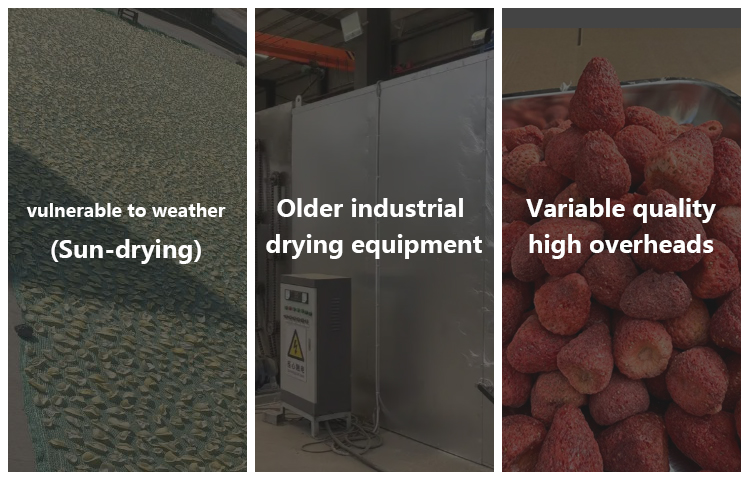
The final result differs significantly based on the drying method. Here’s a comparison between poor-quality (high-heat)
drying and optimal Heat Pump Drying:
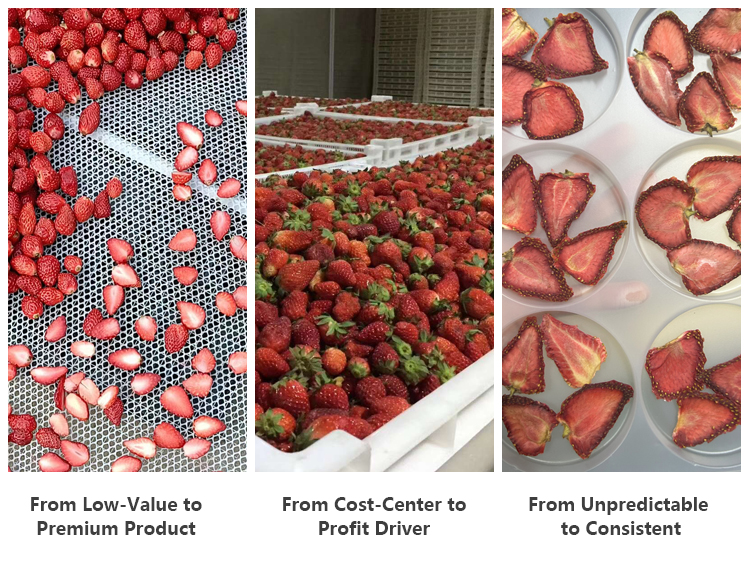
1. Unmatched Product Quality & Safety
Traditional drying methods, which often rely on high temperatures, can degrade a product's vital nutrients, color, flavor,
and texture. Heat pump dryers operate at precisely controlled, lower temperatures. This gentle process preserves the
natural vitamins, antioxidants, vibrant color, and original taste of sensitive foods like fruits, vegetables, and herbs.
Furthermore, the consistent and hygienic drying environment minimizes the risk of contamination and ensures a safe,
shelf-stable product.
2. Superior Energy Efficiency & Cost Savings
This is the core economic advantage. Heat pump technology works by recycling heat within the system, rather than
constantly generating new heat. It extracts warm, moist air from the drying chamber, condenses the moisture, and
recirculates the recovered heat. This innovative closed-loop system can reduce energy consumption by up to 60-70%
compared to conventional electric or fuel-fired dryers, leading to dramatically lower operational costs and a faster
return on investment.
3. Environmental Sustainability
The drastic reduction in energy use directly translates to a smaller carbon footprint. By consuming less electricity (or
replacing fossil fuels), heat pump dryers support greener manufacturing practices. This aligns with global sustainability
goals and meets the growing demand from consumers and retailers for environmentally responsible production.
4. Enhanced Process Control & Consistency
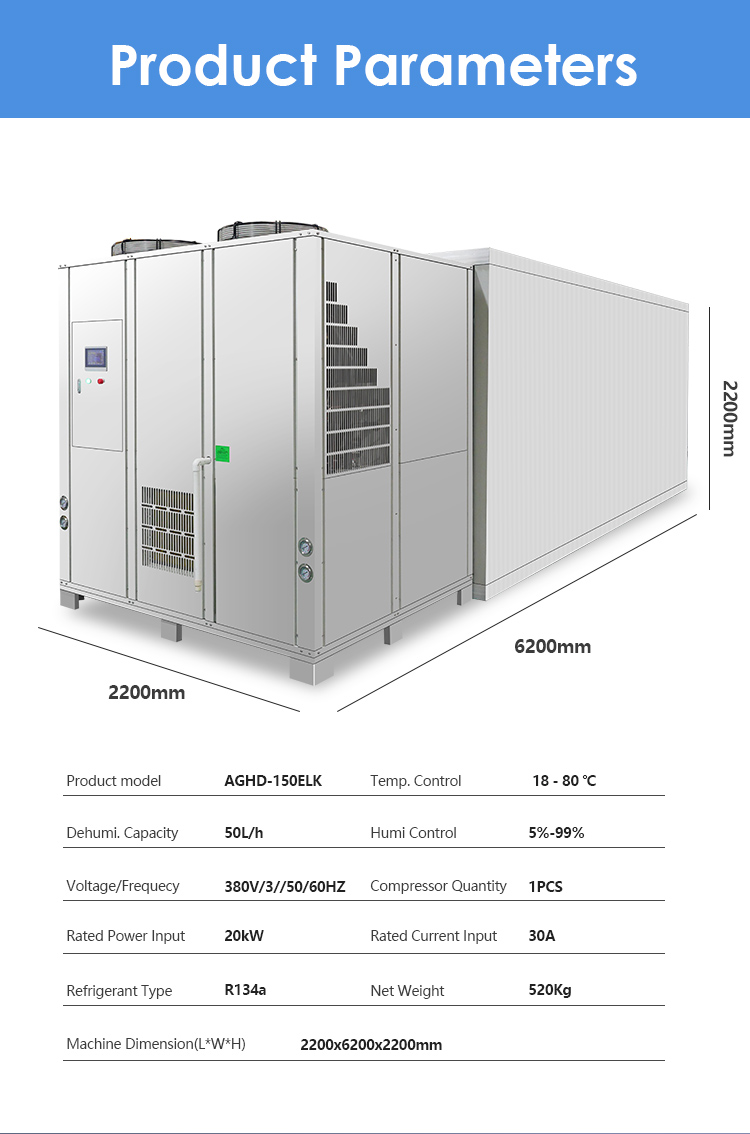
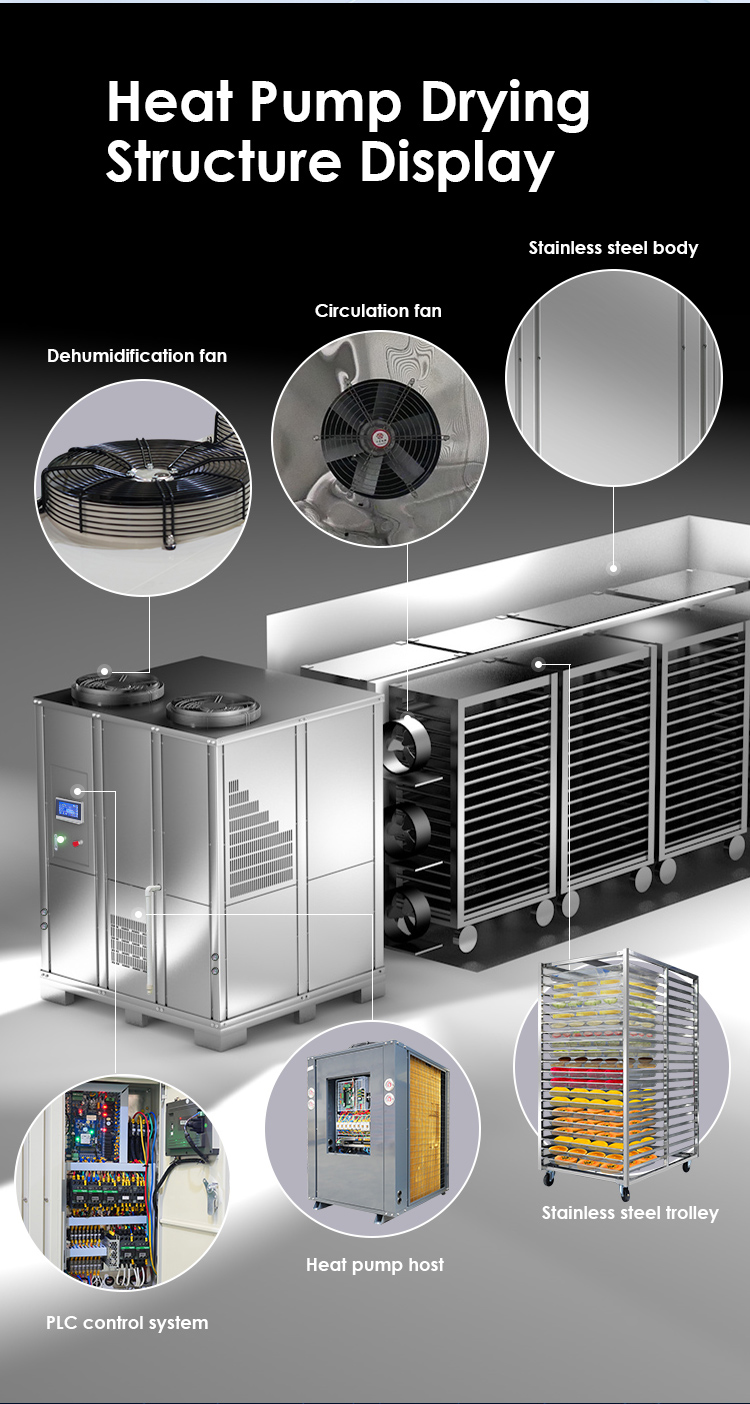
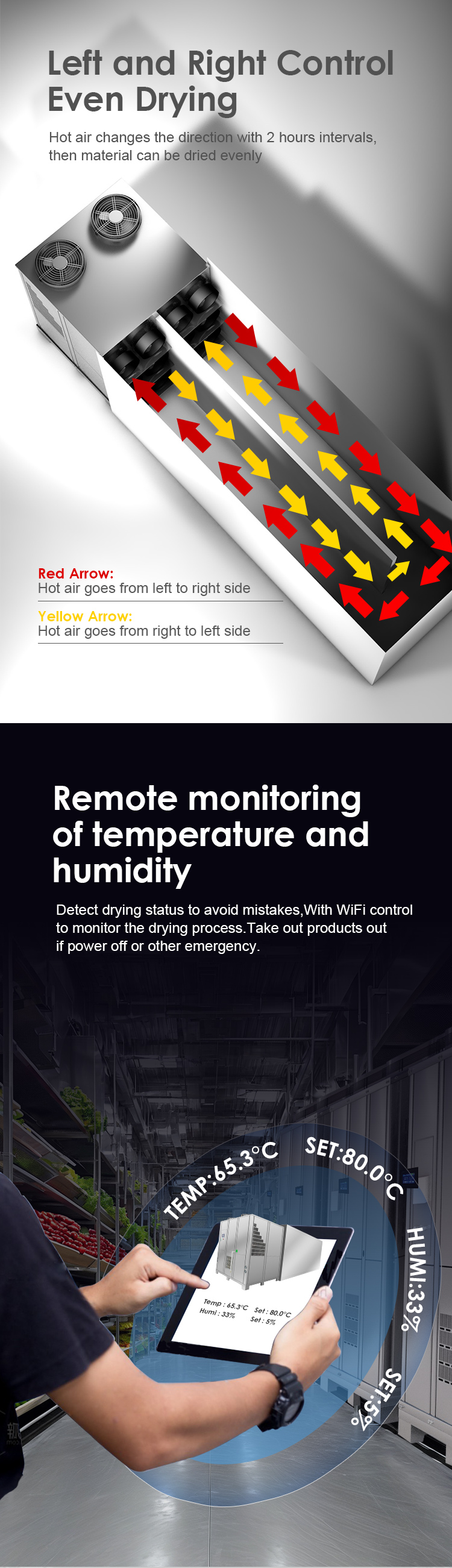
Modern heat pump dryers feature advanced automation and precise control over temperature and humidity. This
eliminates guesswork, prevents over-drying or under-drying, and ensures perfect, uniform results in every batch. Such
consistency is essential for building a reputable commercial brand and meeting strict quality standards.
5. Business Versatility & Value Addition
For farmers and food processors, this technology is a powerful tool for reducing post-harvest waste, extending market
reach, and creating new revenue streams. It enables the transformation of seasonal, perishable surpluses into valuable,
non-perishable products that can be sold year-round, exported, or used as ingredients.
In conclusion, heat pump food dryers are no longer just an alternative; they are a strategic investment for the future of
food processing. They are essential for anyone aiming to produce premium-quality dried goods, optimize production costs,
operate sustainably, and build a competitive, resilient business in the modern food industry.

 sales@aimheatpump.com
 +0086-18022011556